Disembodied music and creative expression
Can classical concert etiquette shape our creative expression?
When I finished high school I started studying music. I played in the university orchestra and sang in the choir, and I went to lots of different classical concerts.
At the same time, I was singing in a grungy alternative rock band and going to lots of gigs of other equally as grungy bands in dark, smoky, and usually very tiny venues.
We’d stand around watching musicians on very tiny stages, the chatter of the audience sometimes drowning out the music, each song ending with (and often interspersed with!) loud and enthusiastic applause and whoops of appreciation.
And the classical concerts?
Well, let’s just say there wasn’t much movement. In fact the audiences, apart from the odd sneeze or cough or crinkling of a cough drop wrapper, were almost entirely silent and still.
But it wasn’t always like this. In the eighteenth century audiences would talk, eat, play cards, and applaud when they particularly liked something. But by the nineteenth century things began to change.
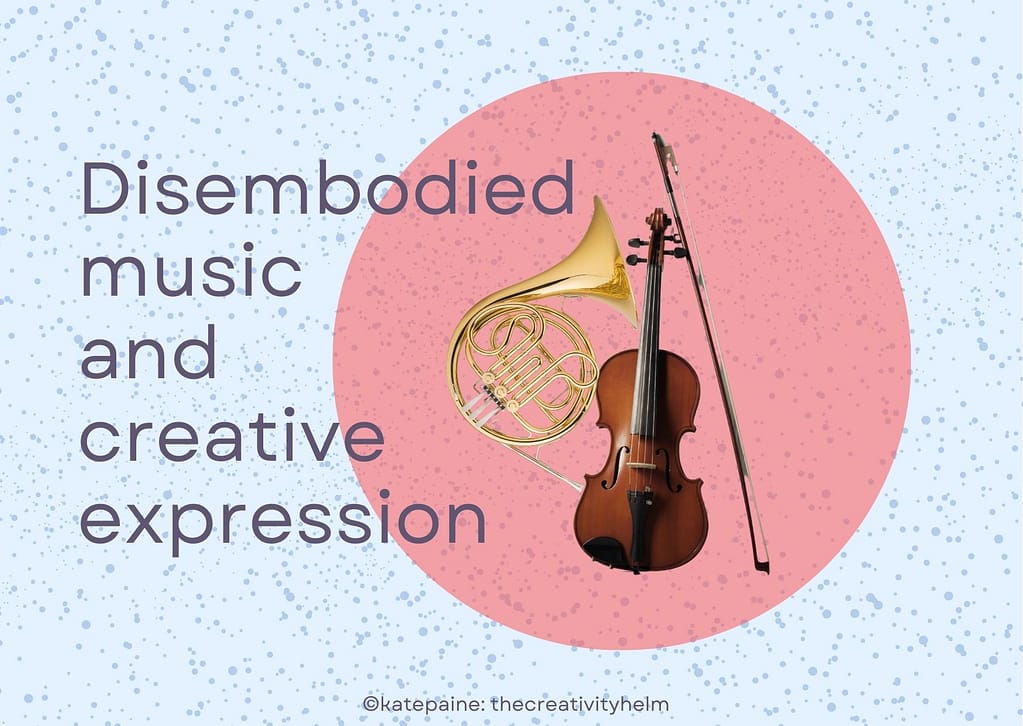
The etiquette of keeping quiet
Music came to be seen as something requiring serious contemplation rather than merely enjoyment. With this shift came a move to concert halls instead of private concerts in aristocratic salons. A great benefit of this was that now the general public had access, instead of just the privileged few.
But as so often happens, an etiquette for how to behave has developed, too. For good reason, some of it, such as out of respect for the performers and in order to not distract them, as well as the fact that classical music usually isn’t amplified, so there has to be a certain level of quiet for everyone to be able to hear it.
After a while the expected ways to behave become set in stone. And what better way to show your sophistication than to not only go to concerts but also demonstrate you belong there by behaving appropriately?
This hushed environment has an impact on the experience of the performers, too. They’re just as bound by this concert etiquette as the audience. It takes some courage to play in what can feel like a vacuum of silence, one in which it’s not really possible to feel or feed off the energy of those observing.
Throw in the fact that classical music is very much based on playing exactly what is on the page, and there is immense pressure to get it ‘right’, so of course they want to be able to focus without interruptions. But this means that, unlike in other genres, there is no room for spontaneity, improvisation and interaction with the audience, not unless it’s been planned ahead of time.
The end result is an environment in which it can often feel as if players and audience are on different sides of a divide, in stark contrast with the grungy music and venues of my youth.
What’s the impact on our creative expression?
It raises interesting questions about how the environments in which we find ourselves might shape not just our experience as listeners and as performers, but also our own creative thinking.
If we were to take the accepted model for most classical concerts as the standard, should we then recreate the equivalent of silent concert halls in our homes and workspaces and classrooms? Should we value a finished and polished product above the freedom to express ourselves how we want?
There’s been a marked decline in classical audiences and opportunities for classical musicians, and I wonder if this isn’t partly because we’re in danger of stripping away what makes music such a fundamentally human experience.
I’m talking about the connection, the spontaneous response, the freedom to engage with our whole selves, to experiment and see where it might take us, mistakes and all.
What if we could remove the restraints and reimagine the classical concert as a space for both the music and the living, breathing humanity of everyone in the room, performers and audience members alike?
I’m not suggesting a return to the card playing days of yore, and definitely not a descent to the level of all those grungy gigs I used to do.
Just a little loosening of the boundaries surrounding the whole thing and of those between what’s considered the proper and improper ways to experience classical music.
The result might be surprising for musicians and listeners, alike.


0 Comments